
Follow us on Social Media:


|
Home
 Lifestyle Lifestyle
Lifestyle
|
|
||||||||||||||||||||||||||||||||||||||||||||||||||||||||||||


 It's the same old song; gardening is always cyclical. With slight variances for weather, what happened or bloomed last September is likely to be happening again. I checked back to see what I had written about this time last year. The article was called "The Unwanted Guests" and it was about deer.
 There has been a great deal of press lately about hereditary breast and ovarian cancer. Angelina Jolie, one of the world's most beautiful women, shocked everyone by disclosing she had a prophylactic mastectomy because she carries a "faulty" BRCA1 gene. She also discussed plans for further surgery to reduce her risk for ovarian cancer, which is what killed her mother at age 56.
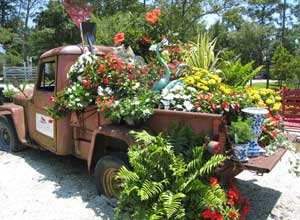 Taking pleasure in your garden in the midst of August's heat and bugs can be . . . well, to put it bluntly, difficult. Recently I was reading a blog by Tom Harris, Ph.D., a Texas gardener, that included a lengthy list of "dos and don'ts" for making late summer gardening more enjoyable. Parts of Texas are even hotter than SC, so many of his suggestions would apply well to our Lowcountry climate.
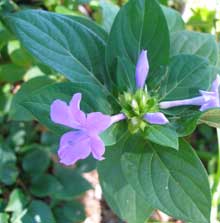 There are probably as many answers to this question as there are those who work the soil, and we could also have lots of the same answers in different orders of importance. Many of us garden for fruits, flowers, exercise, therapy, and perhaps an innate need to nurture. If you give me some dirt, compost, water, seeds, tubers, cuttings and bulbs, I can make a garden.
Site Designed and Maintained by Vision Technology Management
Follow us on Social Media:
|
Home
Lifestyle
Lifestyle
|
|
||||||||||||||||||||||||||||||||||||||||||||||||||||||||||||