
Follow us on Social Media:


|
Home
 Lifestyle Lifestyle
Lifestyle
|
|
||||||||||||||||||||||||||||||||||||||||||||||||||||||||||||


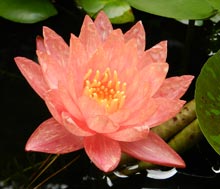 Iced tea, lazy afternoons in the hammock under the palmettos, and just letting the bees and butterflies have the garden to themselves. That’s what comes to mind this month. Everything moves in slow motion, slightly hazy and mirage like. Lowcountry heat will do that; it is nature’s way of calming us so we can slow down and appreciate our surroundings.
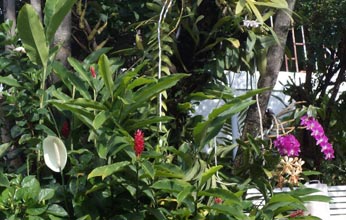 Anyone who gardens in the Lowcountry knows how ready our gardens are to abandon all reserve and turn themselves into rampant, tangled jungle.
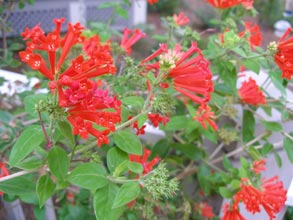 And I say Solanum Lycospurnum. Well not really, can you imagine the funny looks I would get in the grocery store? There are good reasons for learning the botanical names for plants however.
 Site Designed and Maintained by Vision Technology Management
Follow us on Social Media:
|
Home
Lifestyle
Lifestyle
|
|
||||||||||||||||||||||||||||||||||||||||||||||||||||||||||||