What is the most mollycoddled plant in these United States? On which plant do we spend the most time and money encouraging it to grow, only to regularly whack it down? You’re getting warm. What plant do we allow to grow brown and ugly for months every year, and yet we keep it? You’re almost there. What plant covers more acreage in the U.S. than any agricultural crop? Maybe all agricultural crops combined?
Do you love plants? Have them inside, outside, tripping over them on the sidewalk? It’s time to take inventory. Many of those sold as house plants are from tropical climates and cannot tolerate temperatures much below 40 degrees Fahrenheit. Ferns and other hanging plants are going to be subjected to colder temperatures than pots on the ground, in the ground, or close to buildings. Boston ferns will overwinter in the ground but not in hanging baskets on the porch.
You can cut and root cuttings of your favorite annuals. Begonias, coleus, pentas, or impatiens can over winter in the garage or laundry room.
Water shrubs and perennials well before a predicted freeze. Insulate outdoor spigots and wrap exposed pipes. Disconnect hoses in case you need to drip spigots.
Mulch with straw or compost to help moderate soil temperatures. Rake leaves to use in the compost or as mulch. They are a valuable resource and shouldn’t be burned. They can be chopped up with the lawn mower and mulched in.
There are many good ways to provide insulation to citrus and flowering shrubs like camellias. Sheets, light blankets, quilts, or burlap can be used to keep the trunks and blooms covered when the thermometer drops below freezing. Even lights may provide enough ambient heat to keep plants warm enough for a day or two. Don’t use clear or black plastic, because the sunlight can cause temperatures to heat up too high.
Cut back and remove succulent perennials after a freeze. They are rather unsightly and don’t offer the winter garden any particular interest. Other perennials or shrubs can have definite benefits for wildlife and beauty. Dried flowers, seeds, and fruits feed song birds, and insect pollinators may overwinter in the mulch.
Light is crucial for house plants, and insufficiency will cause plants to stretch or not thrive. Invest in grow lights for north facing windows or rooms with inadequate lighting.
Pest control should be a part of any indoor growing regimen. This would include regular scouting for pests, and timely response to any that are encountered. Check undersides of leaves and stems for sucking or chewing insects or mites. Look for discolored leaves, droppings, or other evidence of unwanted house guests. Spray with soapy water or horticultural oil.
Humidity. Houses during the winter often have low humidity. Tropical plants require moist air and will show signs of distress as a result of dry indoor air. Humidifiers and other ways to raise the moisture in the air will result in happier house plants. You might also try saucers with stones, moss, or a small fan blowing across a dish of water.
Clean and sharpen tools to preserve their usefulness. Sanitation is so important in the garden. Keeping cutting surfaces sharp makes a cleaner cut and wounds will heal more quickly. Removing dirt and plant residue from handles and blades may help to prevent the spread of diseases.
Just like the Boy Scouts, gardeners need to “Be Prepared.” Winter is almost here.
Something Special For The Gardener
How Does Your Garden Grow?
Fortunately for a lazy gardener like me – I’m a reluctant shopper, to boot – there’s still a little time left in this holiday gift-giving season to find the right gift for those difficult gardeners on your list. There’s time . . . but I always seem to be challenged with the inspiration part. I really don’t want to give the usual or expected; I want to come up with something meaningful and special, something unique, something the recipient will value.
Most of y’all are probably too young to remember the comedian Red Skelton’s persona of the ‘mean widdle kid,’ who pondered, “If I dood it, I get a whippin’ . . . I dood it!”
Several families are commonly known as gingers. Sold as ornamentals they can really spice up a garden bed and evoke exotic places. Many grow from fleshy underground stems or rhizomes and send up shoots with solid green, red, or striped foliage. I found eleven separate genera and some with multiple species and varieties listed in a plant catalogue hardy in zones 7-11.
Whew! How did we ever make it through? I moved down here from the north because I didn’t want to spend 3 months of every year, stuck in the house not gardening because of the weather. Little did I realize I would be doing the same thing here . . . only the months would be different.


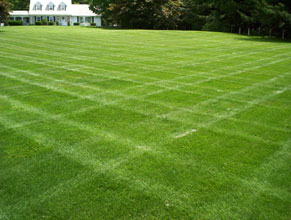 What is the most mollycoddled plant in these United States? On which plant do we spend the most time and money encouraging it to grow, only to regularly whack it down? You’re getting warm. What plant do we allow to grow brown and ugly for months every year, and yet we keep it? You’re almost there. What plant covers more acreage in the U.S. than any agricultural crop? Maybe all agricultural crops combined?
 Fortunately for a lazy gardener like me – I’m a reluctant shopper, to boot – there’s still a little time left in this holiday gift-giving season to find the right gift for those difficult gardeners on your list. There’s time . . . but I always seem to be challenged with the inspiration part. I really don’t want to give the usual or expected; I want to come up with something meaningful and special, something unique, something the recipient will value.
 Most of y’all are probably too young to remember the comedian Red Skelton’s persona of the ‘mean widdle kid,’ who pondered, “If I dood it, I get a whippin’ . . . I dood it!”
 Several families are commonly known as gingers. Sold as ornamentals they can really spice up a garden bed and evoke exotic places. Many grow from fleshy underground stems or rhizomes and send up shoots with solid green, red, or striped foliage. I found eleven separate genera and some with multiple species and varieties listed in a plant catalogue hardy in zones 7-11.
 Whew! How did we ever make it through? I moved down here from the north because I didn’t want to spend 3 months of every year, stuck in the house not gardening because of the weather. Little did I realize I would be doing the same thing here . . . only the months would be different.