| Reading the Signs |
|
| How Does Your Garden Grow? |
|
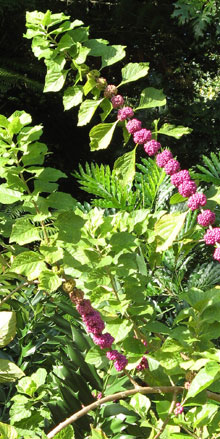
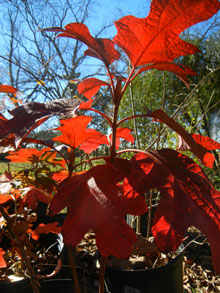
September's here, but it's still a couple of weeks before fall actually arrives. Everyone seems ready for it, and there's a sense of anticipation fueled with each cool evening, with the lowering angle of sunlight, with the earlier arrival of evening. I've noticed conversations turning toward oyster roasts and hayrides, and I have even detected the distinctive perfume of mothballs on the clothes of early-adopter friends. No, fall is not here yet, but it's not just our friends and neighbors who are preparing for its arrival. The signs are beginning to be obvious everywhere, and that, for me, is one of the most enjoyable parts of this transition. I always find the changes going on in the garden to be harbingers; but it is the roadsides along my drives through the Lowcountry, the woodland edges on my walks over the farm, that provide the most extensive evidence that Nature herself is in heavy preparation for fall and winter. There are some reliable signs to watch for, markers of summer's coming end and fall's rushing This late summer explosion of yellow has been accompanied this year by the most extensive blooming of Crotalaria that I can remember. This is the non-native rattlebox, violently despised by farmers and livestock keepers because of its extreme invasiveness and its severe toxicity, easily capable of killing horses and cows and anything that consumes it. It is also quite beautiful in flower, its big, bright yellow, pea-like blossoms and its puffed-up peapods looking most attractive. Travelers along the Inland Waterway used to come into the bookstore every year about this time to ask, awestruck, what that strikingly beautiful, silvery white, cloudlike blooming shrub was along the banks of the waterway. It grows next to roadsides, too, and is, in fact, reported all the way from N On woodland edges, and increasingly in home gardens, the astonishing, intensely-colored, violet purple berries of the American beautyberry, Callicarpa americana, show themselves, tight round clusters of brilliant color an inch or two apart along two feet of stem. The years when there has been sufficient moisture means the soft green leaves provide a handsome backdrop for the berry clumps; but in drier or harsher years, the leaves will have started turning yellow, providing a completely different contrast to the berries. If you're lucky enough to have the glorious native oakleaf hydrangea, H. quercifolia, in your garden, you already know to watch for the time when the big leaves take over the show from the handsome flower panicles. In the fall It's a time of excitement, both in the garden and along the roadways. Try to slow down in both places, the better to see and appreciate the astonishing beauty revealing itself to the observant wanderer. Soon enough, the transition will begin its next phase, cooling so many of our plants into dormancy, stems bare, leaves gone. But even then, a patient observer will discover unanticipated rewards. Let's all be watching for those, too, when the time comes. |
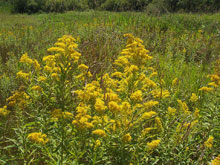
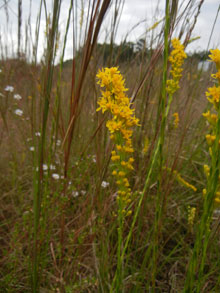 appearance. Among the first I spotted a month ago was a great mass - some four hundred feet of roadside right-of-way - of the magnificent native goldenrod. This was weeks earlier than usual - I usually don't see it in any numbers until mid-September - but this year it's everywhere. Mostly I'm seeing Solidago altissima, the tall goldenrod, but there are more than a hundred species of goldenrod. If you look very carefully, you'll see the vast range of size and form that appear here; the one I search for, and which I haven't spotted yet, is Solidago stricta, the wand goldenrod, which grows straight up and slender like a pencil. It will probably show in a week or two, although it is usually right in lock-step with the other blooming goldenrods.