
| Grow Your Own Drugs! |
|
| Tuesday, 18 January 2011 12:08 |
|
(no, not the illegal kind)
This point was personally brought home to me one summer when I was nine years old and got stung over most of my back by a Portuguese Man of War jelly fish at Pawley's Island. It felt like a thousand burning bee stings at once. Fortunately, the owner of the inn where we were staying ran to the sand dunes and pulled up an armful of a low growing succulent aloe-like vine and proceeded to squeeze the viscous juice from the plant on all of my stings. Within minutes, the pain was 100% gone (miraculously) and I stopped screaming my red-faced head off.
More than 80% of the world's population relies on traditional herbal remedies for their primary health
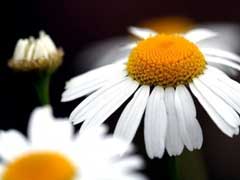
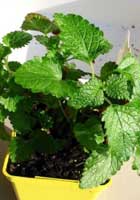
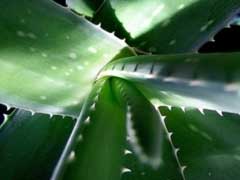
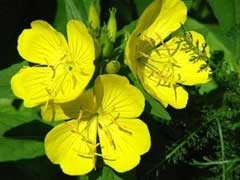
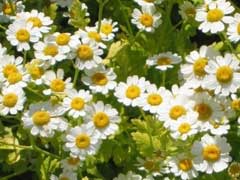
Purple Cone Flower or Echinacea (I'm sure you've seen this one in many of the cold and flu remedies at the health food store) Is said to raise the body's resistance to bacterial and viral infection and relieve allergies by stimulating the immune system. Native Americans also used it for insect bites and stings. Needs lots of sunlight to thrive. Dried Camomile blossoms are in the tea that is known for it's soothing and calming effects. Aloe Vera, the juice of which many people say is great for sunburns, (it supposedly takes the heat out of the burn) is also said to be good for other burns, cuts, and eczema, because it allegedly reduces skin Lemon balm leaves, when crushed on the skin, are said to be a natural mosquito repellant. Evening primrose oil has been used to treat alcohol related liver damage in alcoholics. The Latin name for sage, means 'to heal' and it's been used over the eons to treat everything from indigestion, to depression to menopausal problems. Milk thistle was also used by Native Americans to protect and improve the function of the liver, counter the effects of a hangover, treat hepatitis (liver inflammation) and, in modern times, it's reportedly been used to help insulin resistance in people with type 2 diabetes.
While not a medicine, but called by some 'medicinal,' Juniper berries soaked in vodka make Gin. Beside teas, which use dried leaves or flowers, there are several other ways that have been traditionally used to prepare herbal remedies. They include: Decoctions: simmering the herb, bark, or root for 15 minutes then straining. Tinctures: steeping the herb at room temp. for at least 12 hours in either water or diluted vodka. Traditional standard quantities have been 1 part herb to five parts volume of water or alcohol. Juicing: used for fresh herbs. Syrups: the sweetness is said to help tone down the bitter taste of some herbs. Poultices or Compresses: historically created by pulps or pastes made by heating fresh, dried, or powdered herbs then soaking a clean cloth in the hot infusion. Ointment: made from heating herbs in petroleum jelly or other solid fat in a bowl over boiling water for about 2 hours and straining while still hot into jars. Standard quantities have been 2 parts herb to 18 parts fat. Some common ointments include chickweed ointment for skin irritations, & comfrey ointment used traditionally for minor injuries.
If planting from seed, start 6 weeks ahead of time after covering with a thin layer of soil on a warm windowsill or under fluorescent lights and/or with a heat source underneath to spur germination. Two weeks prior to planting outside, begin the process of 'hardening off' the transplants by exposing them to the outdoors a few hours a day and increasing exposure until planting time. Or seeds can be sown directly in raised beds or containers after last frost date. I had a friend who called her patio container garden of many potted herbs, her back door 'apothecary shop'. If you decide to concoct your own herbal remedies, be sure and consult with health professionals first, along with any of the many books available on the subject, as some herbs are not safe for pregnant women and higher doses than traditionally recommended can be dangerous. I've Luckily for your garden, most of the so-called medicinal plants also have beautiful blooms that butterflies love. So whether you ever use their alleged healing powers or not, they could be the perfect prescription for that unlovely spot in your garden or yard.
Books About Growing Herbs
The Medicinal Garden: How to Grow and Use Your Own Medicianl Herbs by Anne McIntyre The Herbal Medicine Maker's Handbook by James Green Healing Power of Herbs by Terry Lemerond Growing 101 Herbs that Heal by Tammi Hartung Making Plant Medicine by Richo Cech
|
 Before the days of pharmacies being built every two miles or so, our great grandparents (and other ancestors for thousands of years before that) survived on herbal and other cures from their gardens or wildcrafted from the woods.
 care, and 50% of the drugs dispensed in America are based on herbs… of course at a cost much higher than you would pay if you grew it or collected it yourself. For example, a small bottle of Saw Palmetto Berry Powder, used by men for the treatment of enlarged prostates and frequent urination, goes for $28 a bottle. The bottle advertises that it has been 'wildcrafted'. I have an older gentleman friend I know who locally 'wildcrafts' it (i.e. gathers from the wild) his own saw palmetto berries from the huge stands covering all the barrier islands, including Hunting Island, then grinds it up in a mortar and pestle, puts the measured powder in capsules and claims he saves a bundle.
 Here are some other plants and what they have allegedly traditionally helped cure:
 inflammation.
 Horehound and Thyme have both been traditionally used mixed with honey as a sore throat remedy.
 If you buy herb transplants from the garden center, be as gentle as possible with the roots and plant on a cloudy day after the last chance of frost (old timers here say to wait until the Pecan trees bloom).
 included a listing of a few of the books available for you.